Engineering Ocean Safety: Technical Lashing & Stowage Solutions
Maas maritime consultancy b.v.
Advanced stowage planning and securing calculations to ensure cargo integrity in the harshest maritime environments.
Engineering Ocean Safety: Technical Lashing & Stowage Solutions
Maas maritime consultancy b.v.
Advanced stowage planning and securing calculations to ensure cargo integrity in the harshest maritime environments.
Calculating for the Worst-Case Scenario
Protecting your cargo through rigorous securing protocols and technical expertise.
A successful voyage begins long before the vessel leaves the quay. It starts with a rigorous technical plan. Our technical crew provides the engineering expertise required to design and verify lashing and securing strategies that withstand the forces of the North Sea and Atlantic crossings. We don’t just "tie things down"—we calculate the precise physics of every sea-fastening to meet and exceed international IMO and CSS Code requirements.
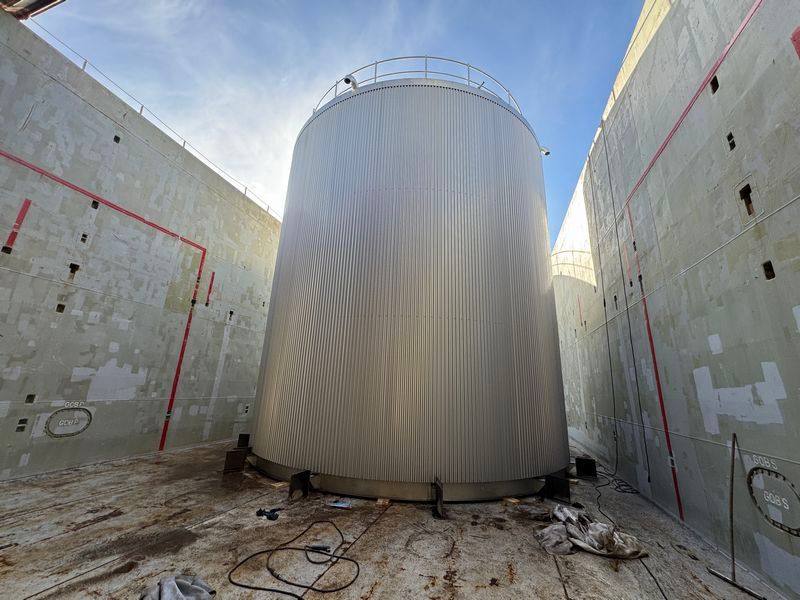
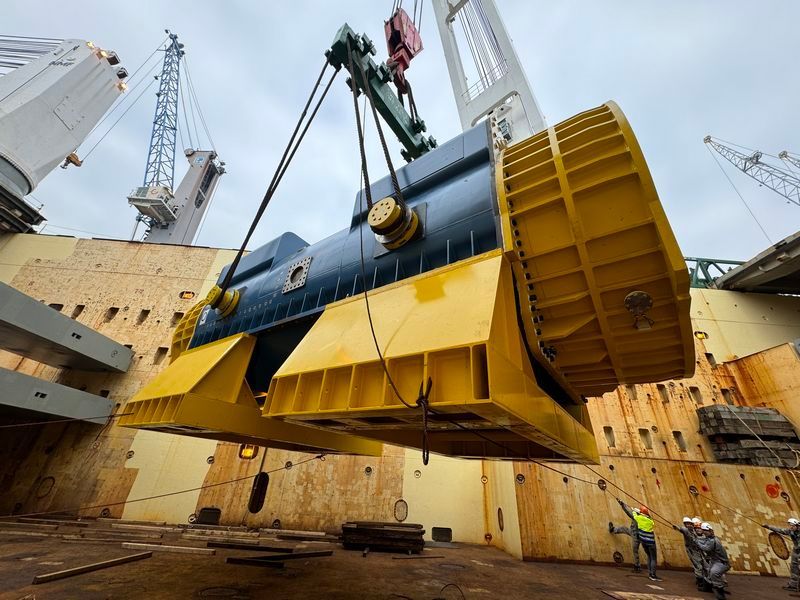
From optimizing the vessel's hold space to designing complex sea-fastenings for ultra-heavy modules, our engineers ensure that your cargo remains stationary, regardless of the vessel’s motion.
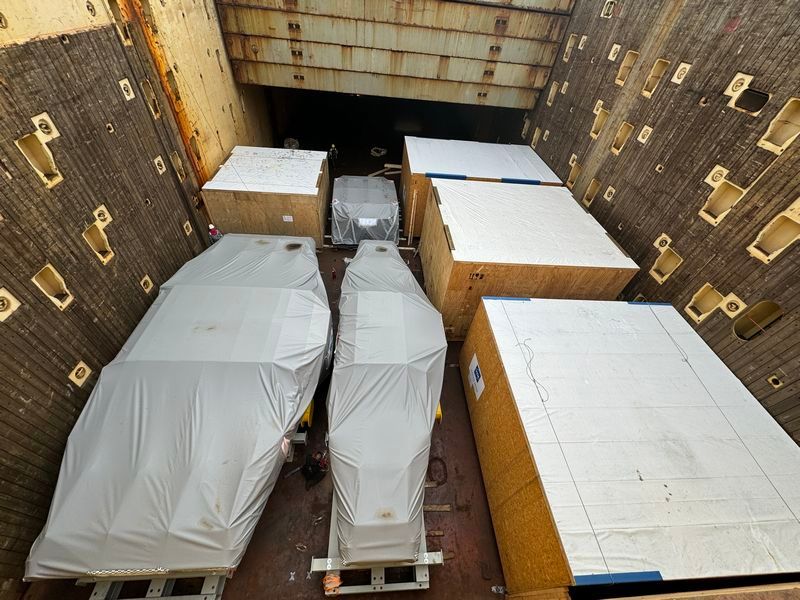
Custom Stowage Blueprints
Maximizing space efficiency while maintaining optimal vessel stability and deck load distribution.
Lashing & Securing Calculations
Precise mathematical modeling of transversal, longitudinal, and vertical acceleration forces.
Sea-Fastening Engineering
Designing and overseeing specialized welding and D-ring placements according to class standards.
Calculations are vital to account for transversal and longitudinal forces during sea transit. We often combine these with our Heavy Lift Engineering data to ensure the vessel's deck strength is never exceeded.
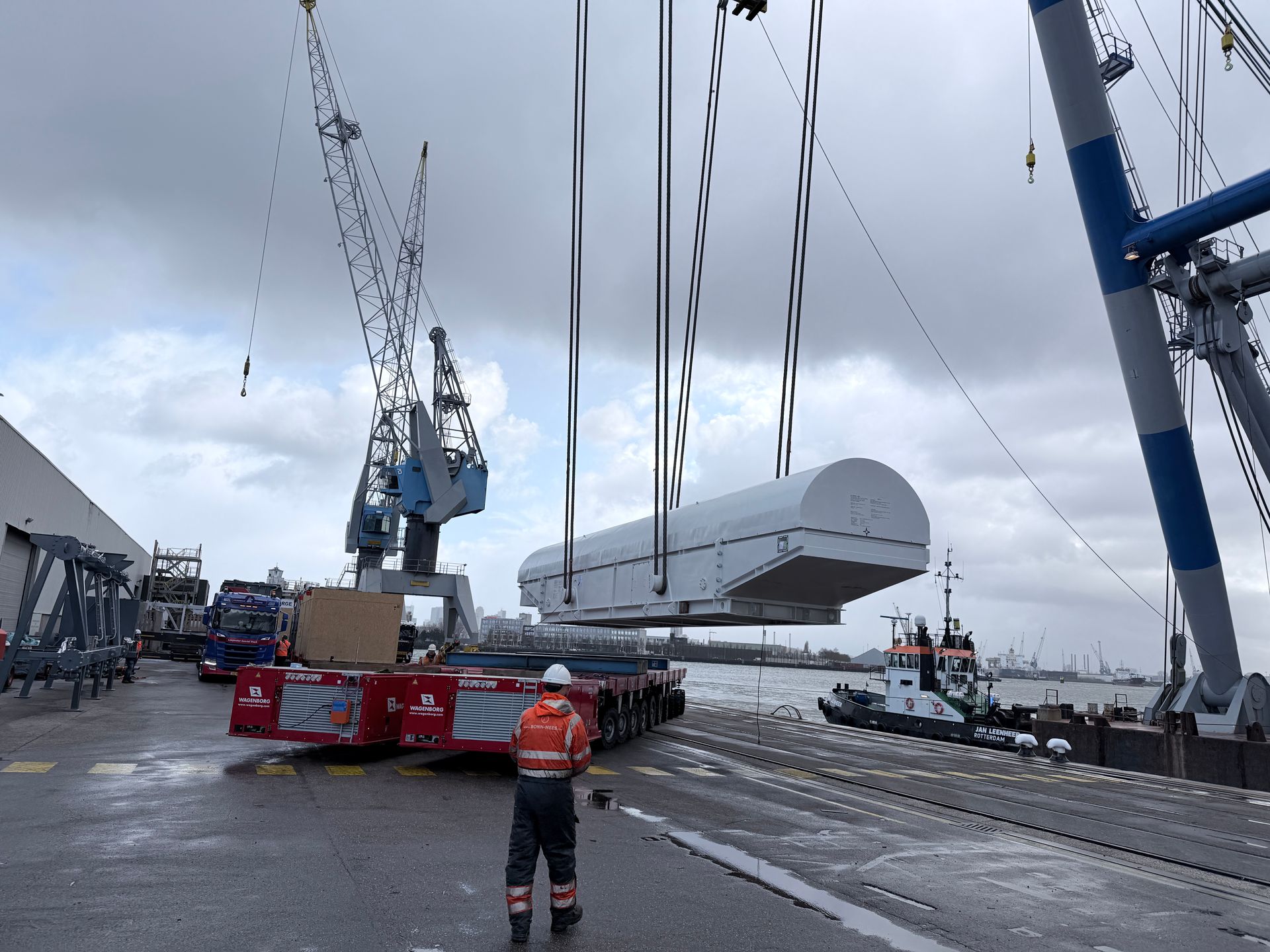
A formal plan is typically required by cargo underwriters, ship staff, and cargo owners and interests for any high-value, oversized, or heavy-lift items that are not shipped in standard containers. Our specialists provide the certified documentation needed to satisfy these stakeholders before loading commences.
It depends on the cargo’s weight and the vessel’s deck type. For ultra-heavy items, welding (sea-fastening) provides the most rigid security. For items that require slight flexibility or adjustment, high-tensile chains are used. Our engineers often design a hybrid solution that utilizes the strengths of both methods for maximum transit safety.
Stowage & Cargo Securing FAQs
Explore professional insights into our seafastening standards and stowage calculations. We ensure that every piece of cargo, from steel coils to heavy machinery, is secured according to international safety protocols.
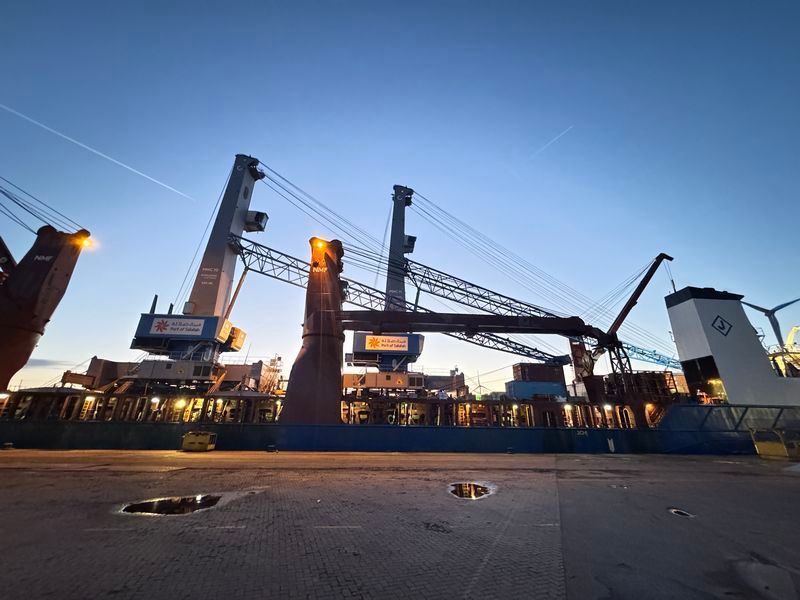
Ensure the Absolute Stability of Your Cargo
Explore Our Other Services
Reliable oversight and technical authority for every stage of your cargo’s journey. Discover how our specialized teams can support your broader logistics requirements.